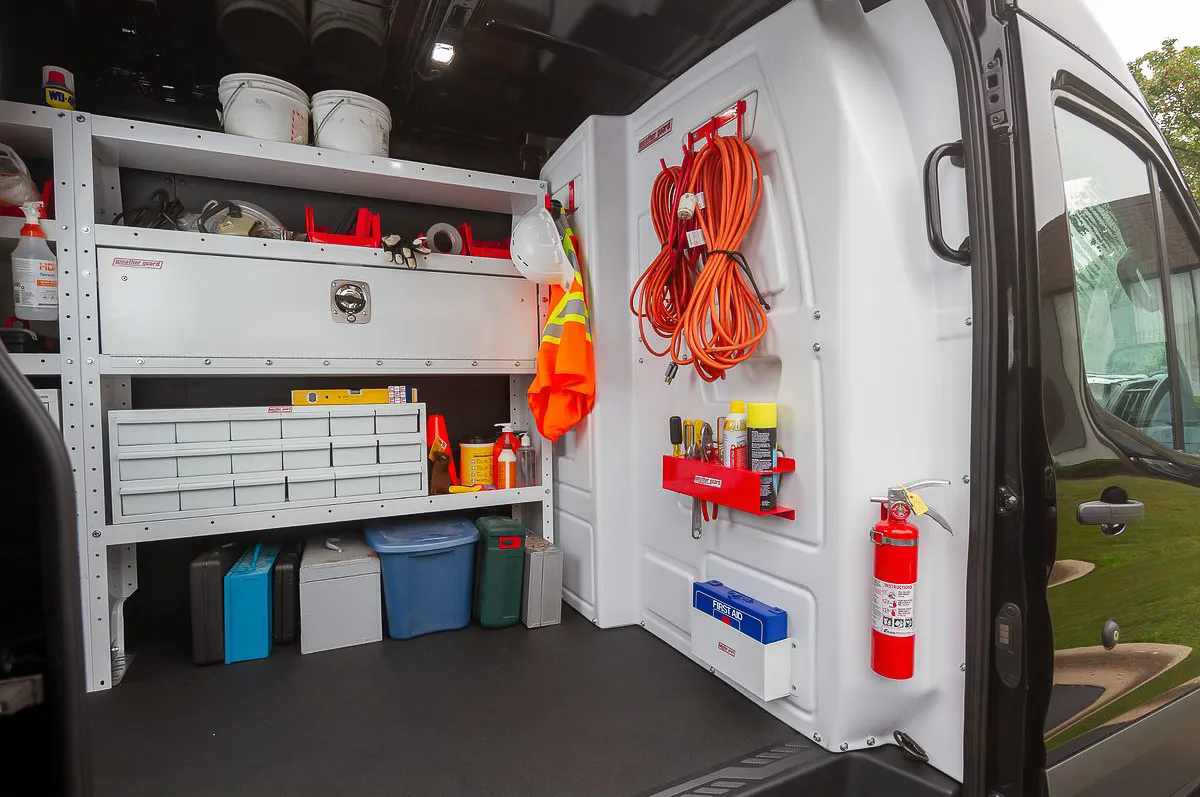
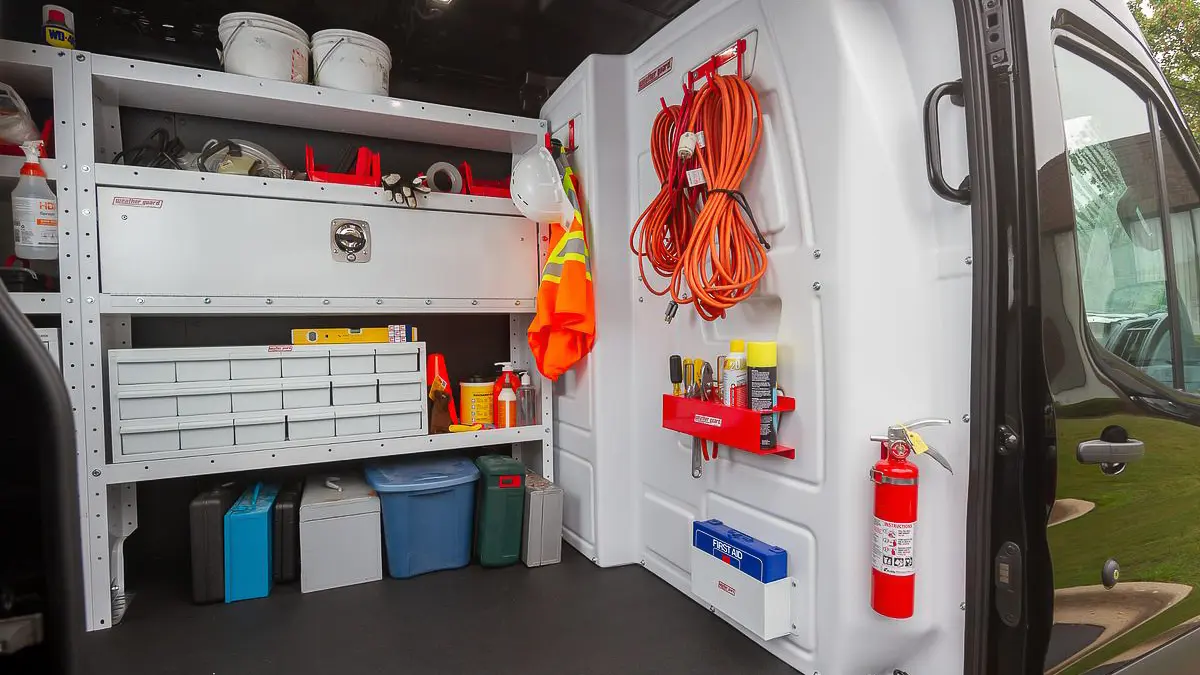
Holman partition and shelving inside a work van, seen through the side door

Vehicle Partitions & Bulkheads
Safety Partitions & Bulkheads for Work Vehicles in Omaha & Lincoln

Request a Free Partition Quote Explore All Upfitting Services
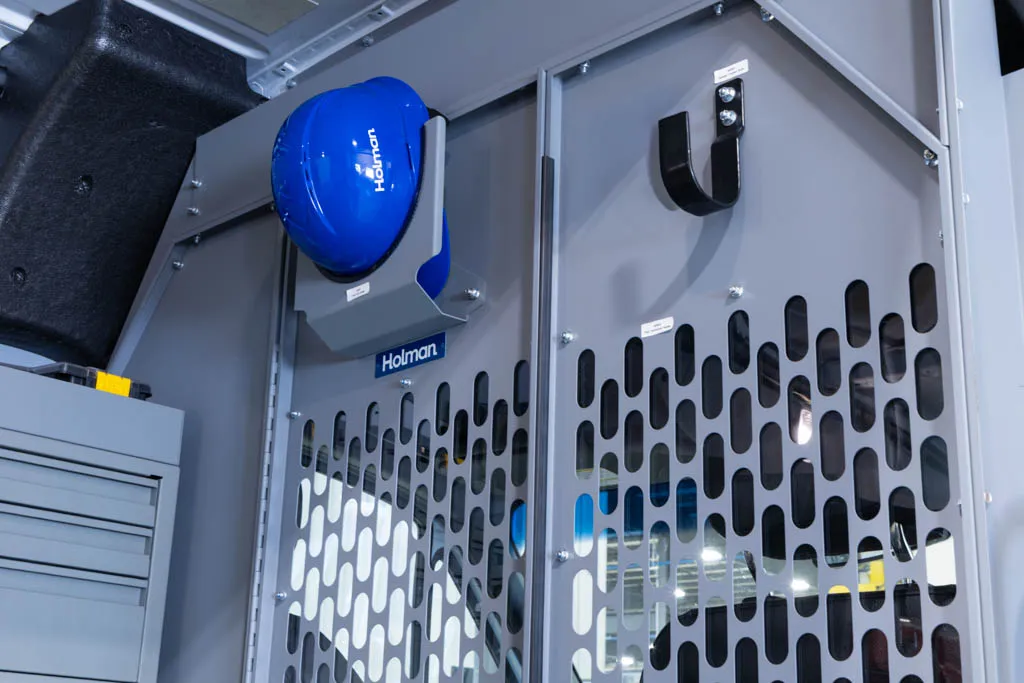
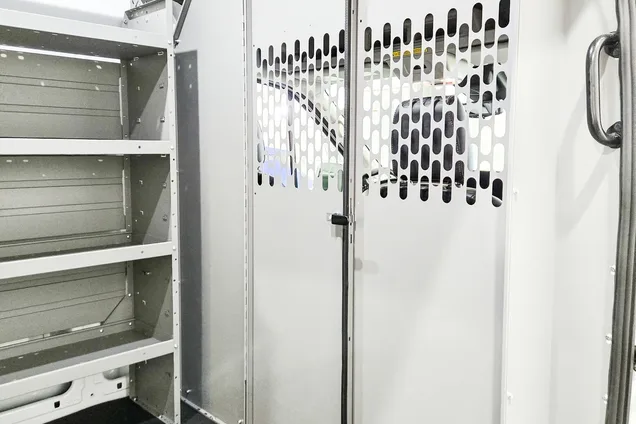
Cargo van interior with a perforated safety partition behind the cab

A loaded cargo area is useful right up until the moment it isn't. In a hard stop, every unsecured tool and part in the back of your van keeps moving — and the only thing standing between that load and your driver is the partition you did or didn't install. At Revolution Upfitting in Omaha, NE and Lincoln, NE, we fit steel, aluminum, and composite vehicle partitions and bulkheads to the exact make and model your crew drives, creating a protected cab up front and a dedicated work zone behind it. It's one of the smartest safety investments a working vehicle can get.

Why Omaha & Lincoln Crews Put a Wall Between the Cab and the Cargo

Ask anyone who has heard a floor jack slide forward at a red light: a bulkhead is not an accessory, it's a piece of safety equipment. We're a family-owned Nebraska upfitter, and partitions are among the first upgrades we recommend for vehicles that haul anything heavier than paperwork. If the trade is new to you, our plain-English guide to what vehicle upfitting involves is a helpful primer before you dig into the details below. For everyone else, here's what a well-chosen bulkhead actually does for a working vehicle.

Driver protection is the whole point

In a sudden stop or collision, unsecured cargo becomes a projectile aimed at the back of the front seats. A properly installed partition absorbs that impact so your driver never has to. It also keeps smaller items from rolling forward under the brake pedal while the vehicle is moving. No driver should share a cabin with an unsecured load.

A dedicated work zone behind the seats

A bulkhead turns the back of the vehicle into a defined workspace with its own logic. Racking, bins, and fasteners live behind the wall, while the cab stays a clean, quiet place to drive, plan the next stop, and take customer calls. Drivers notice the difference on the first route.

Fitted to your exact vehicle model

We select and install partitions engineered for your specific van or truck, following the contours of the roof, walls, and floor. Model-specific fitment closes the perimeter gaps that let cargo, air, and noise slip past a universal panel.

Steel, aluminum, or composite — matched to the job

Steel delivers maximum strength for heavy trades, aluminum trims weight to protect payload, and composite panels offer a quieter, non-marring surface. We recommend the material based on what you haul, not on what's convenient to sell. No single material wins every job, and we won't pretend otherwise.

Family-owned, and it shows in safety work

When the job is protecting a person, accountability matters. Revolution Upfitting is a family-owned Nebraska company, and the people who stand behind every bulkhead install are the same people whose name is over the door. It's the kind of accountability a safety product deserves.

One piece of a bigger, smarter build

Partitions anchor the front of the cargo zone and integrate with the shelving, liners, and drawer systems installed around them. Planning the bulkhead alongside the rest of the upfit produces a stronger, cleaner vehicle than bolting on pieces one at a time.
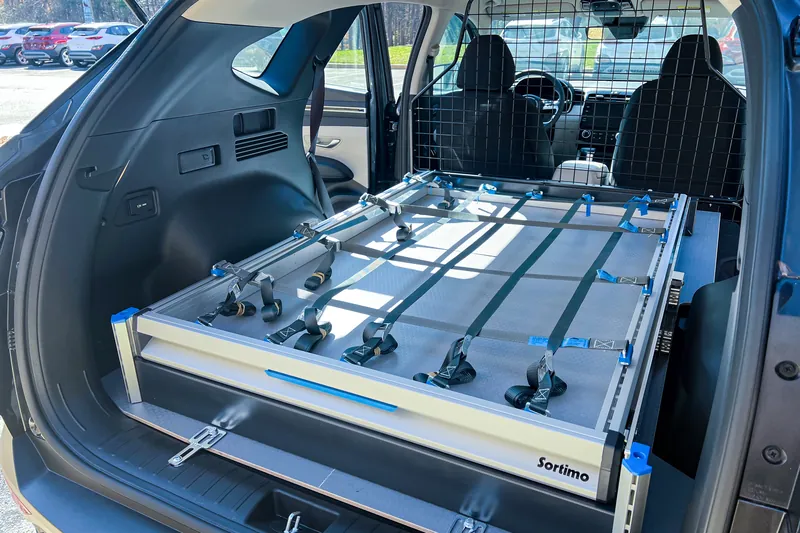
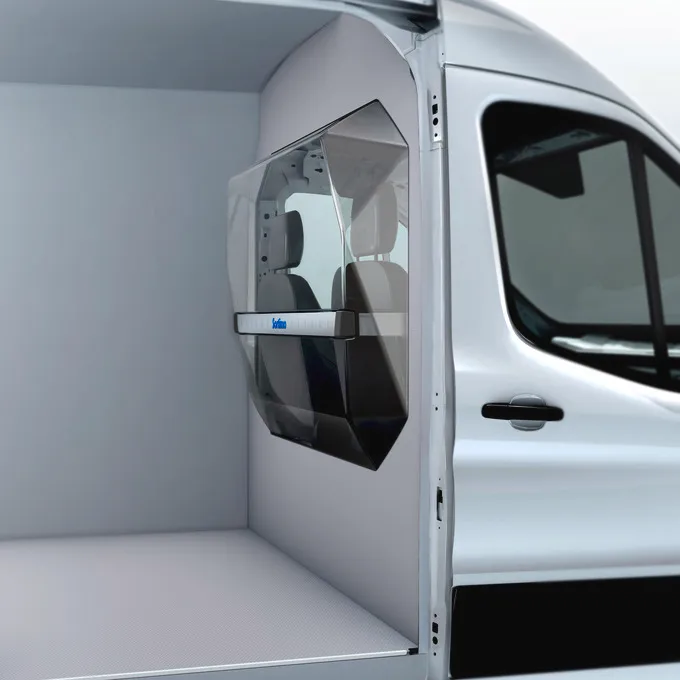
SUV cargo area with a mesh cargo barrier behind the rear seats and a Sortimo slide-out tray

Tell Us What Your Vehicles Haul

Every partition recommendation we make begins with the load, the vehicle, and the way your crew works — so the best path to a straight answer is to send us those details through our quote form. While you're planning, it's worth seeing how a bulkhead pairs with van liner installation, how it fits into a box truck upfitting project, or how it gets repeated across a fleet upfitting program. Our vehicle upfitting FAQ covers the general questions we hear most often. The more detail you give us about racking plans and daily loads, the tighter the recommendation gets.

Request a Free Partition Quote

How a Bulkhead Goes In at Our Omaha Shop

No two trades load a vehicle the same way, so we treat every partition install as its own small engineering project. Here's the workflow we follow at our Omaha facility from first conversation to handoff. Each step exists because we've seen what happens when one gets skipped — a rattling panel, a gap at the headliner, or a bulkhead that fights the shelving installed after it.

1

Step 1 — Assess the Load, the Route, and the Risk

Before we talk products, we talk about what actually rides in the back of your vehicle and who sits in front of it. The answers gathered here drive every product decision that follows.

Inventory of typical cargo — weight, shape, and how it's currently secured

Review of who drives the vehicle and how many hours they spend behind the wheel

Discussion of visibility needs, including mirror use and camera systems

Notes on cab climate priorities for drivers working through Nebraska seasons

A frank look at any close calls you've already had with shifting cargo

Photos and notes of the current cargo layout to guide the build

2

Step 2 — Match the Bulkhead to the Exact Vehicle

Partitions only perform when they fit, so this step is all about your specific van or truck rather than a generic template. A bulkhead that matches the body's contours is safer, quieter, and easier to build around.

Confirm year, make, model, wheelbase, and roof height

Select a model-specific partition that follows the body contours

Choose steel, aluminum, or composite based on the Step 1 findings

Verify compatibility with factory features like airbags, seats, and trim

Plan around existing or future shelving, liners, and drawer units

Weight check so the partition's own mass respects the payload budget

3

Step 3 — Configure Doors, Windows, and Pass-Throughs

This is where the partition gets tailored to the way your crew actually moves through the vehicle on a workday. The goal is a configuration your drivers stop noticing because it simply works.

Solid, windowed, or perforated panel selection based on visibility needs

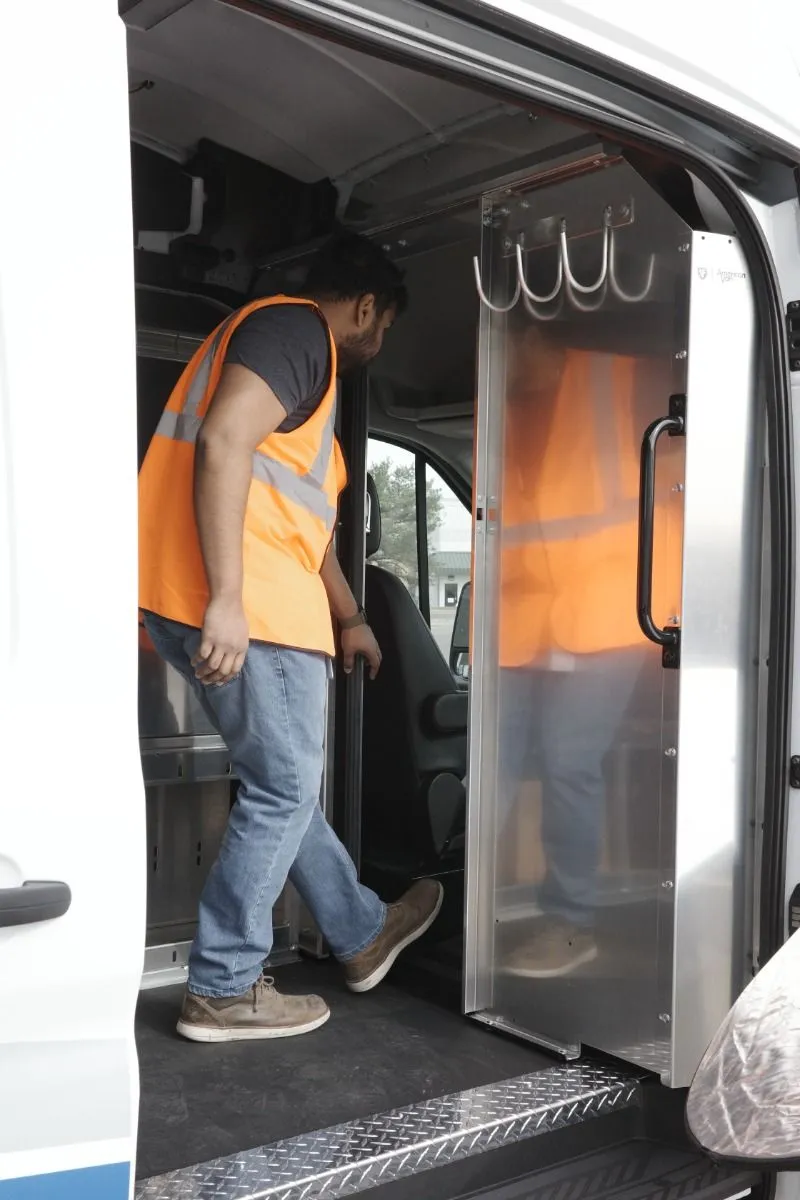
Optional swing-door or walk-through configurations for cab-to-cargo access

Placement of openings relative to racking and cargo positions

Sealing strategy for noise and climate separation

Review of how each option affects cab heating, cooling, and noise

Your final sign-off on the configuration before installation begins

4

Step 4 — Mount, Seal, and Torque

Installation day is methodical. Bulkheads are structural safety equipment, and we treat every mounting point accordingly — measured, verified, and documented.

Interior surfaces protected before any tools come out

Engineered mounting points used — no improvised drilling near wiring or trim

Perimeter sealed against the gaps that leak noise and air

Every fastener torqued and verified against the hardware specification

Mounting locations documented for future service and inspections

Panel alignment re-checked once the vehicle is back on its wheels

5

Step 5 — Inspect the Fit and Hand Over the Vehicle

You get the vehicle back with a partition you can trust and the knowledge to keep it working. Nothing leaves the shop until we'd put our own driver behind it.

Full inspection of panel fit, perimeter seal, and hardware

Function check on any doors, windows, and latches

Walkthrough of the finished install with you or your driver

Loading guidance that keeps the bulkhead doing its job

Written documentation of the work, backed by our workmanship warranty

Reminders on periodic hardware checks as the miles add up

Vehicle Partition Questions Omaha & Lincoln Businesses Ask Us

A partition, or bulkhead, creates a physical barrier between the cab and the cargo area. In a hard stop or collision, unsecured tools, parts, and materials keep moving at road speed, and the bulkhead is what stands between that load and the back of the driver's seat. It also keeps loose items from rolling under the pedals while the vehicle is in motion.

Yes. With a solid partition in place, the climate system only has to condition the cab instead of the entire cargo body. Drivers feel the difference on Omaha summer afternoons and January mornings alike, and the system works less to hold a comfortable temperature. Many customers tell us cab comfort is the first benefit they notice after the install.

Solid panels give the most noise and climate separation, while windowed and perforated designs preserve rear visibility through the cargo area. The right choice depends on how you load the vehicle and whether the driver relies on the center mirror. During your consultation we walk through both options against your actual cargo and driving habits.

We install all three. Steel offers maximum strength for heavy cargo, aluminum reduces weight to preserve payload capacity, and composite panels balance durability with a quieter, non-marring surface. We match the material to what you haul, how much it weighs, and how long you plan to keep the vehicle in service.

Yes — partitions are built and selected for specific vehicle models, following the contours of the roof, walls, and floor. A model-specific fit closes the gaps that let cargo, noise, and air sneak around a universal panel. Tell us the year, make, model, and roof height, and we'll confirm the correct bulkhead for it.

A properly fitted solid bulkhead noticeably cuts the drumming and echo that travel forward from an empty cargo body. Sealing the perimeter matters as much as the panel itself, which is why our installers pay close attention to the fit around pillars and the headliner. Drivers who spend all day in the vehicle appreciate the quieter cab.

Yes. Walk-through and hinged-door bulkheads let a driver move between the cab and cargo area without stepping outside, which is useful in bad weather or on busy streets. We'll help you weigh the convenience of a pass-through against the added separation of a fully solid panel, based on how your crew actually works.

No. A professional install uses engineered mounting points and hardware designed for your vehicle, not improvised drilling through trim or wiring runs. We protect panels and flooring while we work and document the finished mounting locations. Every partition we install is covered by our workmanship warranty, so the quality of the install is our responsibility.

They're designed to. The bulkhead anchors the front of the cargo zone, and van shelving builds organized storage behind it — many shelving layouts tie into the partition for added rigidity. Planning both at the same time produces a cleaner, stronger build than adding pieces one at a time, and it keeps every inch of the cargo area working.

Owner-operators arguably benefit most. There's no second set of hands to secure a shifting load, and the driver absorbs every consequence of flying cargo. A partition also creates a lockable, out-of-sight cargo zone when the van doubles as a mobile storefront. For a solo tradesperson, it's one of the highest-value upfits available.

Where We Install Vehicle Partitions & Bulkheads

Businesses bring their vehicles to our Omaha shop from across eastern Nebraska and over the state line, because a model-specific bulkhead is worth the trip. We regularly build partitions for crews based in:
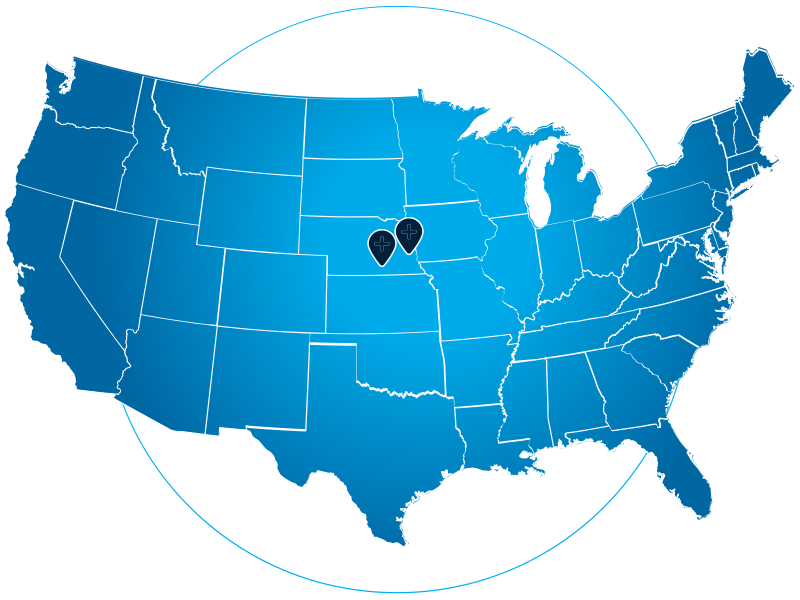
  • Omaha — our home base, where every bulkhead is fitted and installed
  • Lincoln — crews who make the drive for a model-specific fit
  • Papillion — service vans and contractor trucks of every trade
  • La Vista — work vehicles from shops and crews across the suburb
  • Bellevue — cargo vans and pickups that work hard every shift
  • Elkhorn — growing trades outfitting their first dedicated vehicles
  • Bennington — small-business fleets and owner-operators
  • Nebraska City — work trucks serving southeast Nebraska
  • Grand Island — central Nebraska fleets planning safer cabs
  • Kearney — vehicles that cover serious highway miles
  • Kansas City — Missouri crews who bring their vehicles north to us
Where We Install Vehicle Partitions & Bulkheads Where We Install Vehicle Partitions & Bulkheads

Build Out the Rest of the Vehicle

A bulkhead defines the cargo zone — these upfits make everything behind it earn its keep.

Van shelving systems

Sortimo and Holman shelving in aluminum and steel, configured around your partition so tools and parts stay organized and secured. It's the natural next step once the bulkhead defines the space.

Truck bed storage and drawers

Secure drawer systems, including TruckVault units, that keep expensive tools locked down and out of sight. Organization for tools and gear, built into the bed you already own.

Ladder racks for vans and trucks

Steel and aluminum racks that move ladders and long stock to the roof, freeing the protected cargo area behind your bulkhead. Aerodynamic designs are available for vans, trucks, and service vehicles.

Steps and running boards

Non-slip access points that make climbing in and out of an upfitted vehicle safer for every crew member. A practical pairing when the partition build has your crew loading through side and rear doors.

Get a Vehicle Partition Installed in Omaha or Lincoln, NE

Every day a work vehicle runs without a bulkhead is a day you're counting on cargo to behave. Tools shift, brakes get stamped, and traffic does what traffic does — a properly fitted vehicle partition takes the gamble out of the equation. That's the difference between hoping a load stays put and knowing it will. Whether you run one van or a lineup of trucks, the protection is the same: a solid wall between your people and their load, engineered for the exact vehicle they drive.

We're a family-owned Nebraska company, and we build every partition install like the driver behind it matters — because they do. You can read more about how we work and where we came from in the Revolution Upfitting story. What you won't get from us is a one-size-fits-all panel wedged into place; you'll get a configuration chosen for your cargo, your visibility needs, and your plans for the rest of the vehicle.

Ready to protect the person behind the wheel? Tell us the year, make, and model of the vehicle, what it hauls, and how your crew uses it. We'll come back with a partition recommendation that fits the way you work — and, if you want it, a build plan for anything else the vehicle needs while it's in our shop. One visit, one coordinated build, one vehicle that finally works as hard as the person driving it.

© Red Barn Media Group 2026